
New South Wales Ice Hockey History
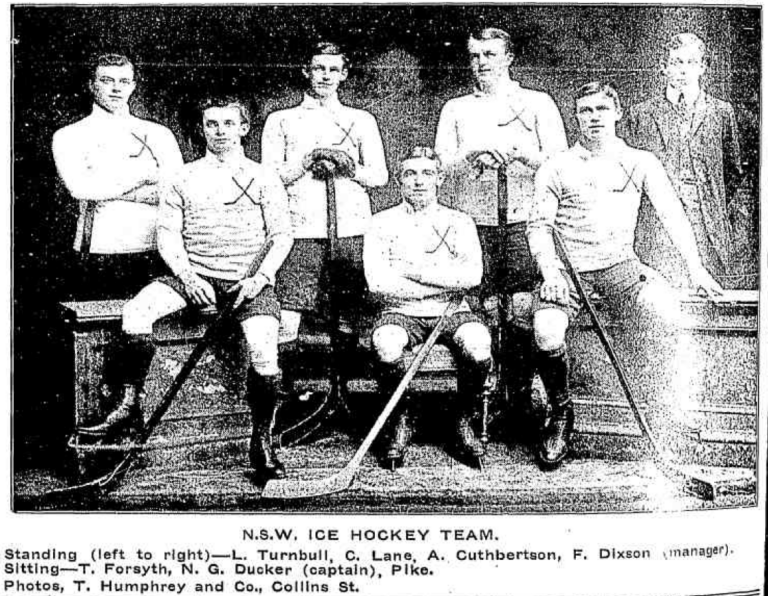
Ice hockey in New South Wales began at the Sydney Glaciarium, which opened in 1907 in Ultimo. It was here that organised club hockey first took hold in the state, with NSW teams competing in interstate matches from the early 1900s. The Glaciarium quickly became the centre of the sport in NSW until its closure in 1955, marking the end of the state’s first era of indoor ice hockey.


The formal governance of the sport strengthened with the establishment of the New South Wales Ice Hockey Association in 1922, creating a structured competition pathway and state representation program. Throughout the twentieth century, NSW players and teams were consistent contributors to national championships, interstate competitions, and later national leagues, cementing the state’s reputation as one of Australia’s traditional ice hockey strongholds.



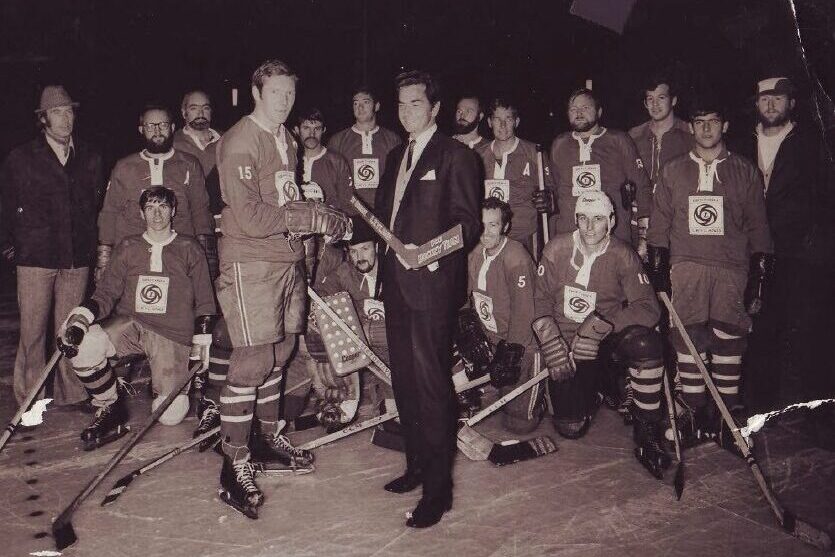
The modern era of ice hockey in NSW expanded significantly with the opening of new suburban rinks. Canterbury Olympic Ice Rink opened in 1971, becoming one of the longest-serving homes of competitive ice hockey in Sydney. For over five decades it hosted junior and senior leagues, state championships, and representative programs before closing in 2022 due to structural issues. Its redevelopment marks an important chapter in the state’s ongoing rink infrastructure story.
In 1979, Blacktown Ice Arena opened in Western Sydney and became a key hub for grassroots and elite hockey development. It supported club competition and later national league participation before closing in 2007 and subsequently being demolished. The rink played a major role in expanding hockey into Sydney’s west during a crucial growth period.
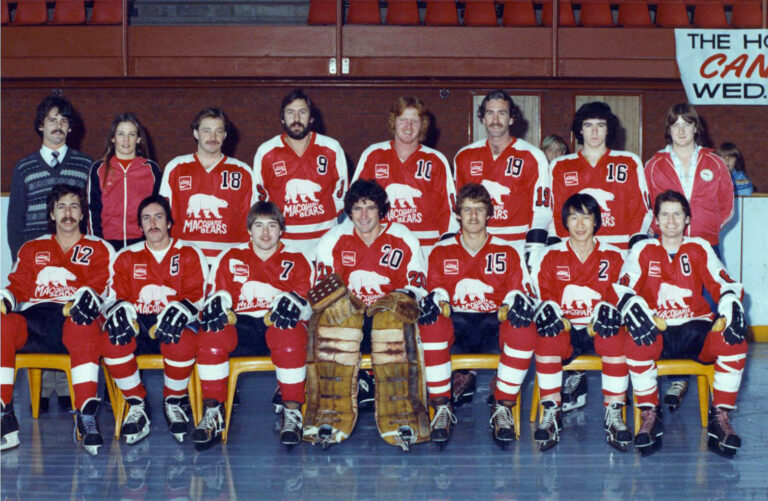
Macquarie Ice Rink, opened in 1981, remains one of the state’s most significant hockey venues. It has hosted local competitions, state teams, and national league clubs for decades. Despite undergoing major renovations in 2025 that temporarily impacted competition scheduling, it continues to serve as a central pillar of NSW ice hockey activity.


The early 2000s brought further expansion. Penrith Ice Palace opened in 2000, strengthening the sport’s footprint in Western Sydney and hosting both community leagues and national competition before its closure in 2022. Sydney Ice Arena opened in 2002 at Norwest, providing an Olympic-sized surface that hosted elite competition and representative events before closing in 2017.
In 2004, the Liverpool Catholic Club Ice Rink opened, providing a modern facility for competition and development. It remains operational and continues to support junior, senior and representative hockey within the state.
Across more than a century, New South Wales has produced generations of players, coaches and officials who have represented the state and nation. NSW teams have consistently competed in national championships across all age divisions, and the state has provided clubs to Australia’s premier competitions, including the national men’s and women’s leagues. Despite periods of rink closures and infrastructure challenges, ice hockey in NSW has demonstrated resilience, adapting to changing facilities while continuing to grow participation, develop talent pathways, and strengthen its competitive standing within Australia.
From the first puck dropped at the Sydney Glaciarium in 1907 to today’s modern arenas, the history of ice hockey in New South Wales is defined by persistence, development, and a strong community committed to sustaining and advancing the sport within the state.


Year Honoured Life Member
Ice Hockey NSW would like to acknowledge the valued support of all of its members, especially those honoured with ‘Life Membership’, who have dedicated an enormous amount of time to developing the sport for many years.
1933 Dunbar Poole
1934 Norm P Joseph
1935 Carl V Kerr
1936 E J Kendall
1937 Jim Barnett
1938 Ted McCabe
1941 Harold Waddell-Hobin
1944 Jack Paton
1947 Frank Harvey
1951 James Brown
1954 Kenneth Kennedy
1960 Syd Tange
1964 Syd Hudson
1964 Harry Cameron
1974 Roy Philpot
1979 Sandy Dahl
1980 Sub Majsay
1984 Phil Ginsberg
1995 John Wilson
1999 Wayne Hellyer
2012 Tim McMahon
2012 Jeffrey Scott
2012 Ken Lambert
2013 Warwick Griffith
2015 Vicki Stephenson
2015 Keven Ross
2019 Mark Bradford
2019 Mark Stephenson